
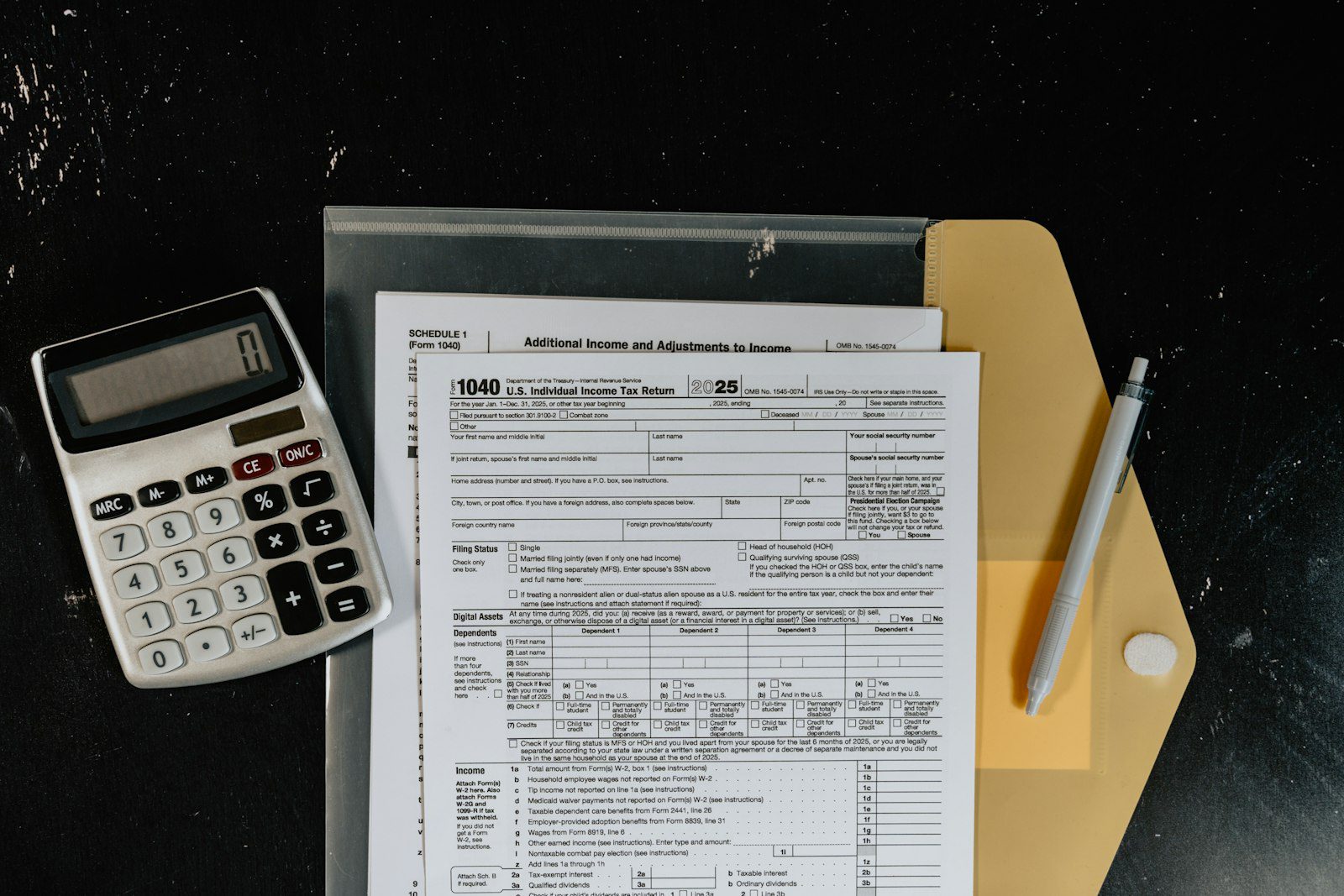
Got a Letter from the IRS? Here’s What to Do First
An envelope from the IRS can ruin your afternoon. The good news: an IRS letter is usually routine, and a clear response with the right paperwork resolves most of them. The worst thing you can do is set it aside and hope it goes away.
Here is what to do first.
1. Make sure the IRS letter is real
The IRS almost always starts contact by mail. It does not open a conversation with a surprise phone call, email, text, or social media message demanding immediate payment, and it never asks for payment by gift card, wire transfer, or cryptocurrency.
If you have someone calling you claiming to be from the IRS, be sure to get their ID Number and name so our team can use this information to verify their identity. Under no circumstances should you ever give payment information to that person because IRS rules forbid its employees from accepting payments on behalf of any taxpayer.
If something feels off, do not call the number on the letter. Look up the notice on IRS.gov or sign in to your IRS online account to confirm it is real.
2. Find the notice number and deadline on your IRS letter
Every IRS notice has a number, usually in the top or bottom right corner, such as CP14 (a balance due) or CP2000 (income on your return does not match what employers, banks, or others reported to the IRS). That number tells you what kind of letter it is.
Next, find the response date. Many notices give you about 30 days. Missing that date can limit your options and add penalties and interest, so circle it on your calendar.
Please note that if you have missed a deadline, you aren’t going to be arrested or sent to jail. You still have some options and a good Enrolled Agent can usually obtain additional time to respond.
3. Compare the IRS letter to your return
Pull out the tax return for the year listed on the notice and check what the IRS says changed. Common causes include:
- A 1099 or W-2 that you missed or reported twice
- A math or transcription error
- Payments the IRS applied to the wrong year
- Information the IRS received from a bank, brokerage, or employer that does not match yours
4. Decide whether you agree
If you agree, follow the instructions on the notice. Can’t pay the full amount? The IRS offers payment plans, and setting one up is usually better than ignoring the balance.
If you disagree, respond in writing by the deadline and include copies (never originals) of the documents that support your position. Keep a copy of everything you send, along with proof of when you mailed it.
If you don’t understand the notice, you can call the IRS at a verified number and an IRS agent can direct you to the correct division that will be able to answer your questions.
5. Get help early
You do not and should not have to handle the IRS alone. Enrolled Agents, such as the agent in our office, are federally licensed by the IRS and can represent you, speak with the IRS on your behalf, and help you respond correctly the first time. The sooner we see a notice, the more options there usually are.
If you have received a letter and are not sure what it means, send us a request and we will help you sort out your next step.
This article is general information, not tax, legal, or accounting advice for your specific situation. Tax rules change often — please talk with us before acting on anything here.